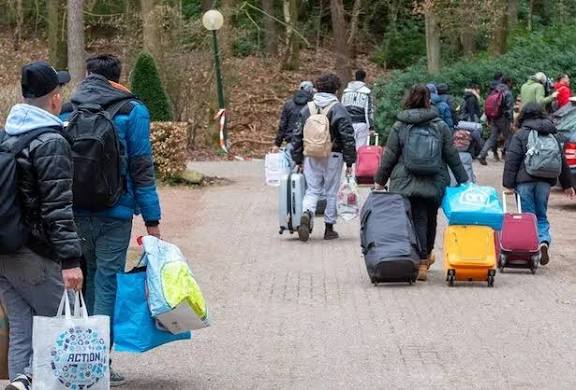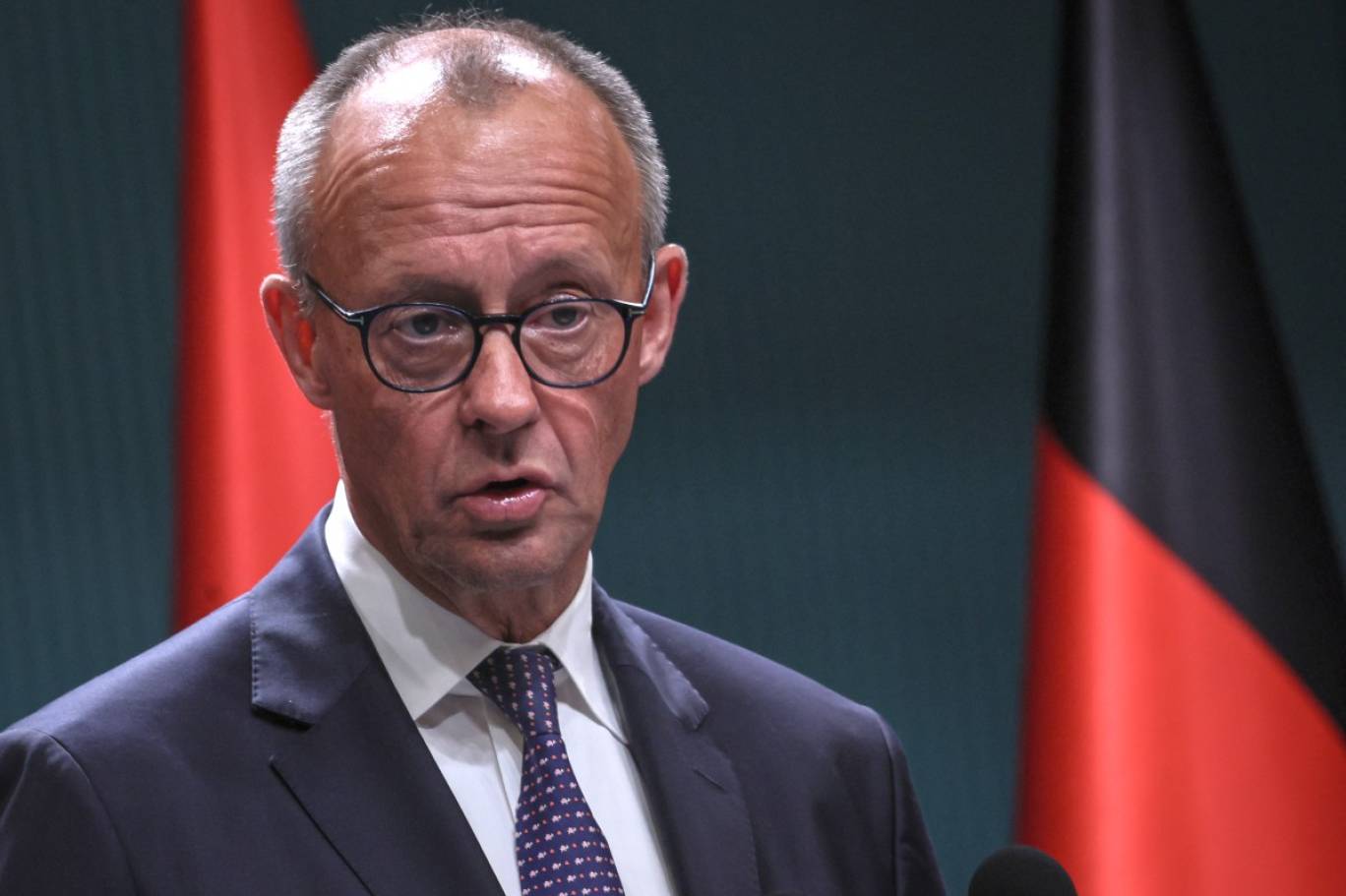
The leader of the parliamentary group of the Union faction in the Bundestag, Jens Spahn, defended German Chancellor Friedrich Merz’s controversial statement regarding the impact of migrants on Germany’s cultural landscape. Spahn urged critics to recognize that Merz’s statement reflects reality, saying: “The Chancellor said something that everyone notices when they walk around Duisburg, as well as in some medium-sized German cities. Irregular migration has changed something.”
Spahn also confirmed his agreement with Merz’s statement and pointed to the impact of immigration on the cultural landscape of several German cities, including Frankfurt and Hamburg, particularly at train stations. He criticized the conditions in cities suffering from “neglect, drug dealers, and youth, most of whom are of immigrant origin, mostly from Eastern Europe or Arab-Islamic cultures.” Spahn called on critics to acknowledge the real problems of the cities, adding: “Start from here, walk around Berlin a bit, and you will see the consequences. Open your eyes.”
Criticism of the German Chancellor began from the Green Party and its members in the Bundestag, as dozens of the party’s politicians sent an open letter to Merz describing his statement as “racist, discriminatory, offensive, and inappropriate.” The Social Democratic Party, which is part of the governing coalition, quickly joined the critics. The government’s Commissioner for Integration, Natalie Pawlik, representing the party, said: “Migration should not be stigmatized through hasty or populist decisions, as this deepens societal divisions and ultimately serves undeserving groups instead of promoting solutions.”
The Berlin Mayor from the Christian Democratic Union (CDU), Kai Wegner, has also joined Merz’s critics, saying: “Berlin is a diverse and cosmopolitan city. Although there are issues related to violence and crime, these cannot be attributed to nationality.”
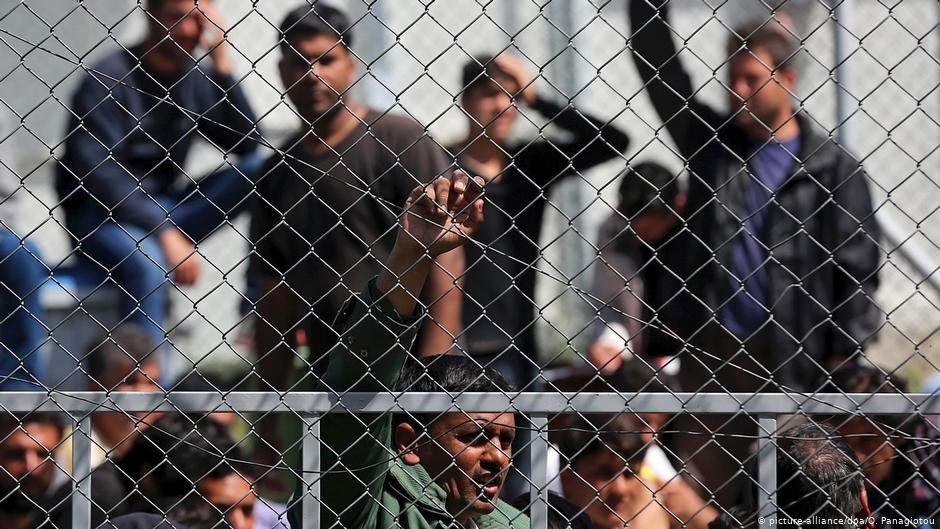
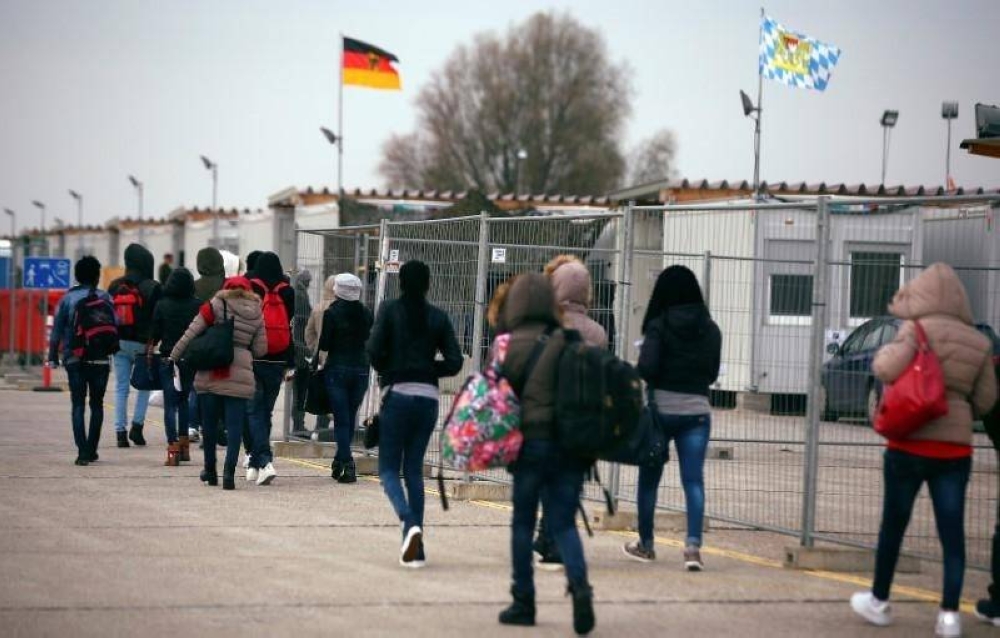
Since taking office, the federal government led by Merz has sought to implement a strict immigration policy. The coalition agreement included a commitment to tough measures regarding immigration and immigrants, starting with tightening border controls and rejecting asylum seekers at the borders, including suspending family reunification, and even extending to the German government’s attempts to amend EU regulations to allow the establishment of deportation centers outside the EU.