The German parliament (Bundestag) has approved legal amendments aimed at tightening asylum policy, granting the federal government the authority to designate safe countries of origin for deportation without the consent of the Federal Council (Bundesrat). Under the amendments, the government may issue an executive order classifying countries as safe countries of origin.
According to the Federal Government, the new law is intended to reduce Germany’s attractiveness to refugees, while streamlining the procedures of the Federal office, which assesses asylum claims on a case-by-case basis. Under the law, asylum applications submitted by nationals of safe countries of origin will be rejected, except in individual cases where protection is warranted, and rejected asylum seekers will be deported more quickly.
The new law also strips asylum seekers detained pending deportation of their right to state-funded legal counsel, a right that had been in place for the past year.
The Alternative for Germany (AfD) party and the governing coalition parties voted in favor of the law, while the Left Party and the Greens voted against it. The Social Democratic Party (SPD) emphasized that the law would exclude only a small number of asylum seekers.
Sebastian Fiedler, spokesperson for the SPD parliamentary group, stated: “Anyone who can demonstrate a risk of persecution will receive protection.” Fiedler also confirmed that access to legal counsel would remain available in complex cases.
The Left Party criticized the new law, calling it unconstitutional. According to Green Party spokesperson Clara Bünger, Germany will implement secondary asylum procedures; if a country is deemed safe, the asylum agreement is reduced to a mere formality.
The Bar Association and the Federal Bar Chamber also criticized the new law. The Bar Association stated that “deprivation of liberty is one of the most severe restrictions on fundamental rights, and there are legal violations in detention practices. More than half of detentions remain illegal. The state must be thoroughly scrutinized in this area.”
On the other hand, the Alternative for Germany (AfD) party called for stricter and more comprehensive measures. AfD MP Christian Wirth pointed to the dysfunctional nature of the European asylum law.
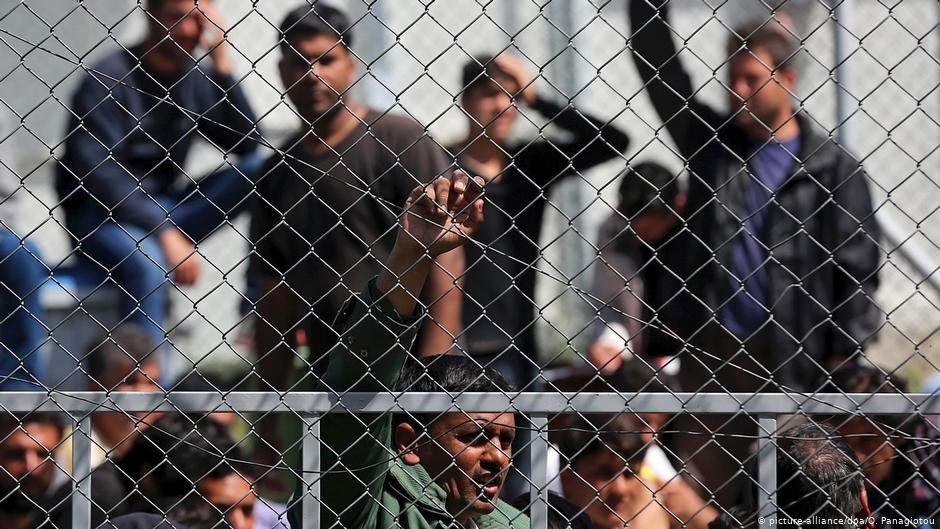
Meanwhile, the federal government approved funding for asylum centers to be established on the external borders, and six states pledged to provide the necessary resources for the operation of these detention centers.